Field Note
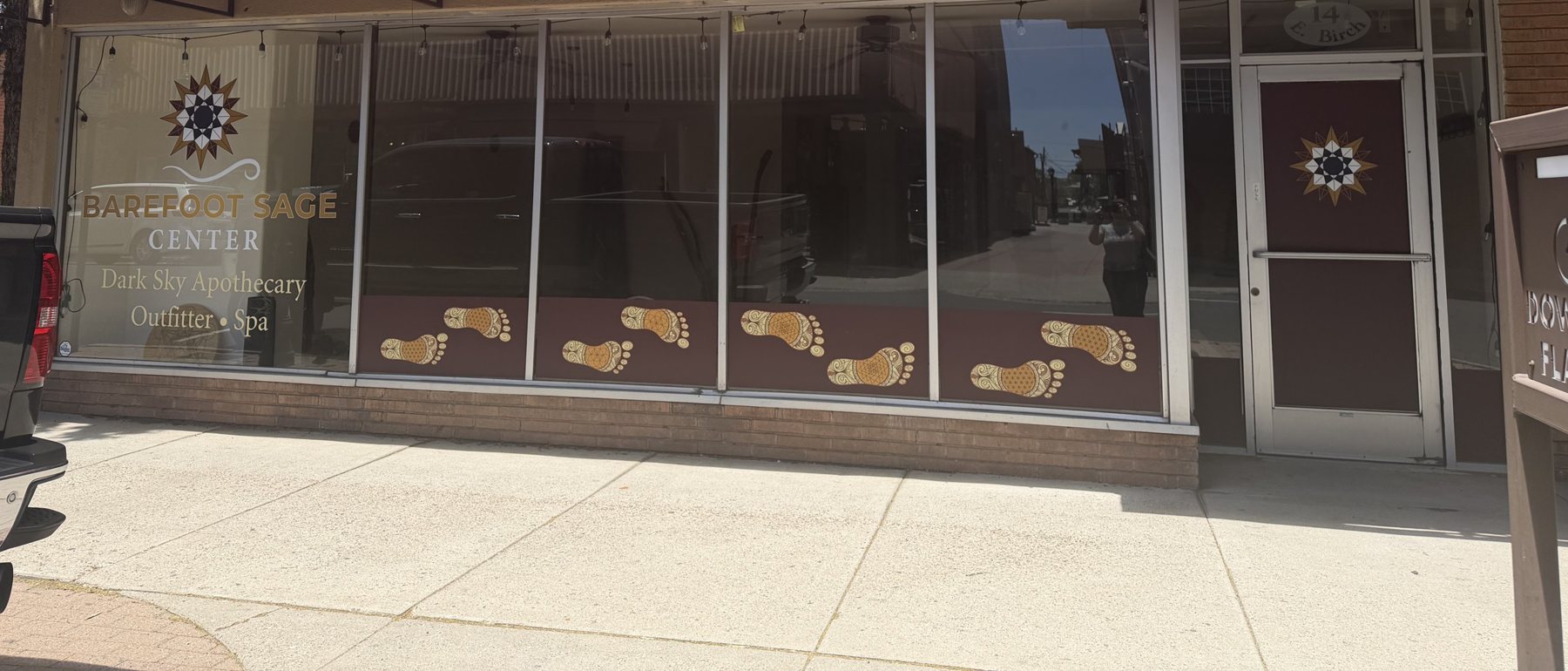
August at the Center was a busy time as I got to introduce doctors and massage therapists to my personal passion: fixing bodies with the overlooked tools of fascia remodeling, movements, stretches, hot and cold therapies, muds, light, and identity crafting. The number of times staff and patients were shocked at what their plantar fascia bindings were doing to their whole body were too many to be counted. While the staff were finding their footing (so to speak), I got to be reminded of just how profound the simple things are when we understand them and do what my own teachers taught me to do: work intelligently with nature.
This letter will talk about a core series of understandings that help ourselves and our patients live dramatically better lives. I think we fail to appreciate how much chronic low-level pain and tension drains our energy and triggers our stress-response and keeps us in fight-or-flight sympathetic overdrive. Pain, even low-level pain, eats away at our longevity and wellbeing and happiness. Removing this energy drain frees up resources for healing other conditions — and frees up resources for making new changes and achieving other goals.
Special Topic — Joints That Last
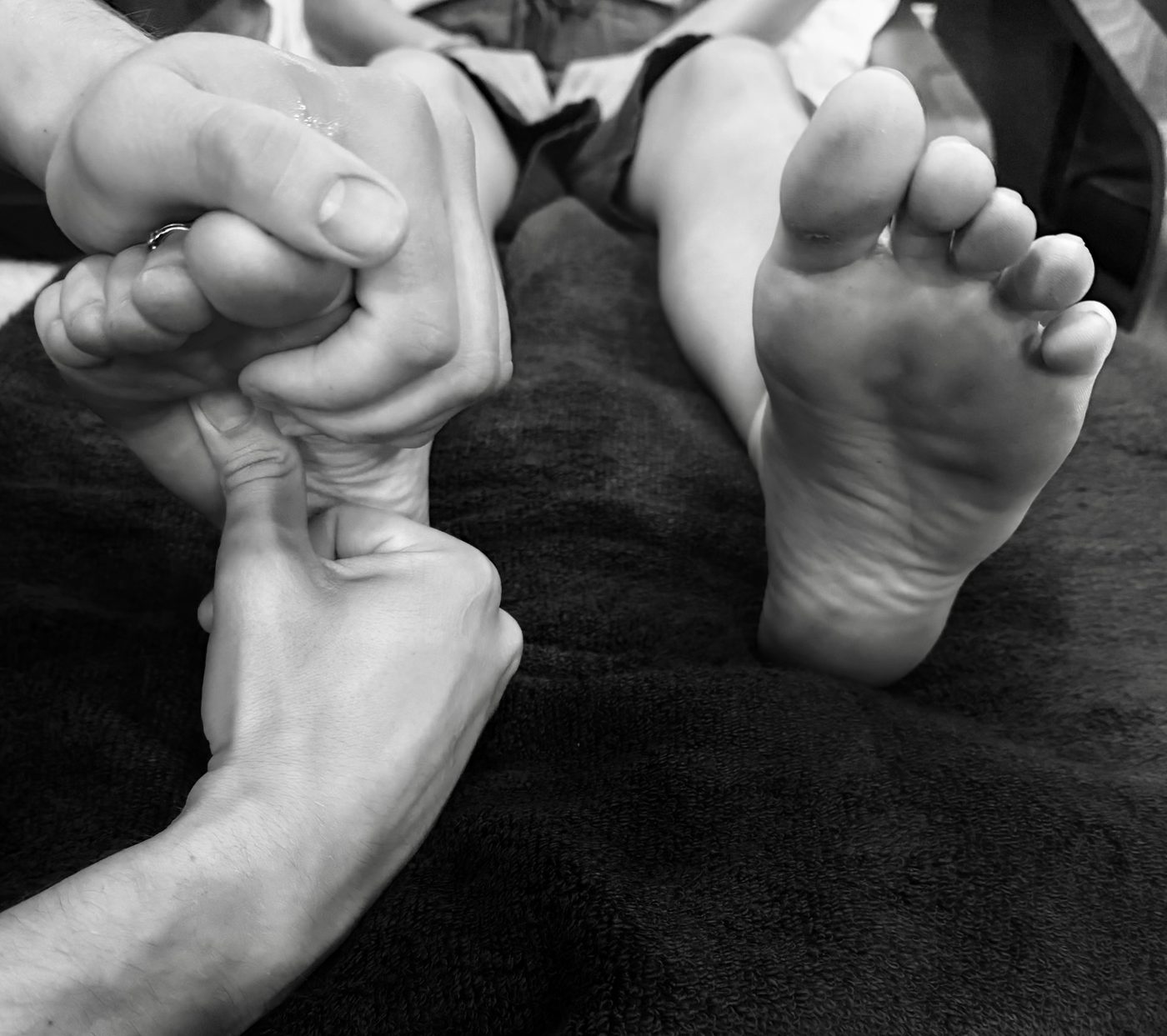
Age is often blamed for the pain and reduced function of our joints, and while there is truth to that, it often becomes an excuse that prevents the real improvements that correct care can bring. A few things really are changing as we age, and it helps to break them down, because each one can be worked with and considered:
- An accumulation of macro and micro damage. We prevent damage where we can and treat the damage that has occurred where possible — which means paying attention to how we use our bodies and how we caretake recovery when the joints have been stressed.
- Reduced number and function of mitochondria. This means less energy available for healing and repair, and poorly functioning mitochondria also create more inflammation, releasing more reactive oxygen molecules than our antioxidant systems can neutralize.
- Hormone changes. Testosterone, growth hormone, estradiol, and thyroid, among others, influence strength, muscle health, repair capacity, inflammation, circulation, collagen, elastin, and bone density. Addressing hormonal change can be an important part of preventing joint problems or healing the ones that have developed.
- Fascia becomes dry, tighter, and more bound in three-dimensional space. Fascial binding generates pain signals, reduces circulation, creates muscle tension, and holds the body in positions that increase the risk of joint and movement problems.
- Nutrient needs change. As we age, our absorption of nutrients declines, and preserving healthy muscle, fascia, and joint tissue may require more of certain nutrients than we needed when we were younger.
Two aspects of anatomy and physiology worth knowing. Cartilage has no blood supply of its own — its nutrition arrives only when the joint moves, carried by fluid that motion pumps through the tissue. This is why the right kind and amount of movement is not optional maintenance; it is how nutrition reaches the joint at all. And for the bones underneath: in a controlled trial, women who did ten to twenty jumps twice a day, with thirty seconds of rest between each jump, measurably increased the bone density of their hips within sixteen weeks. The rest between jumps matters — bone responds strongly to signal, but only briefly, so spacing the signal out is what makes ten jumps count. If you have known bone-density concerns or significant frailty, have the jumping conversation with someone like me first; there is a supervised version with even better evidence behind it.
What to actually do about it
The tools that work are mostly simple, old, and under-used: movement that takes each joint through its full range, because motion is what carries nutrition into the joint; slow, sustained fascial work rather than aggressive attacks on the tissue; warmth before movement and cold for flares; light; minerals; and the earth itself. In this month's class on the membership site I walked through the whole picture, layer by layer — but here is a home care sequence you can begin this week, from one of my own protocols:
A Joint Care Series:
- Stand or lie barefoot on the earth for 30 minutes — 60 is better.
- Warm the joint: a hot water bottle, bath, shower, or hot tub. A local application of about 103–105 degrees F, tolerated for around five minutes, is most effective.
- Massage warm castor oil and arnica oil into the joint.
- Move it: range-of-motion exercises, some sustained stretches that last 1–3 minutes, slow sustained self-applied massage and compression as you move, and a little vibration or shaking.
- Follow with red light or near/far infrared for several minutes — or a moor mud or Epsom salt pack.
- Finish with alternating hot and cold: three to five minutes of heat, one to three minutes of cold, repeated three times.
None of this requires a prescription, and every piece of it is doing something significant — moving nutrition into cartilage, softening fascia, pumping circulation through tissues that blood barely reaches, and telling a braced, guarded body that it is safe to stand down. The full explanation of why each step works is in this letter's PDF, linked below.
From the Treatment Room
Another really interesting thing happened a number of times this past month: multiple people were surprised to find a doctor working on their body and feet "like a massage therapist." I'm used to this one, but it does make me think about the big picture, and about where manual therapies fall in medicine.
The truth is, it IS hard to carve out the time to do the soft-tissue work I combine with other therapies. My time is the scarcest thing I own. But here is the thing: excellent, deep, redesigning work — the kind that releases old patterns, permanently changes alignments, stops pain, improves circulation, shifts the nervous system, and reduces inflammation — is often the necessary foundation for the movement and meditation classes and the diet and lifestyle corrections. And I get to write fewer prescriptions.
Training staff and other practitioners is my ultimate goal, so that more people can understand how powerful the right manual, movement, and mind-body practices are when combined. I wish more doctors understood that there can be more medicine — more real and lasting medicine — in massage and movement and meditation than in some of the drugs we prescribe. The things we think have prestige and importance should maybe be reconsidered. In any case, we have the science that tells us exercise is more powerful than most drugs on the market, and movement and massage go hand in hand.
In the News
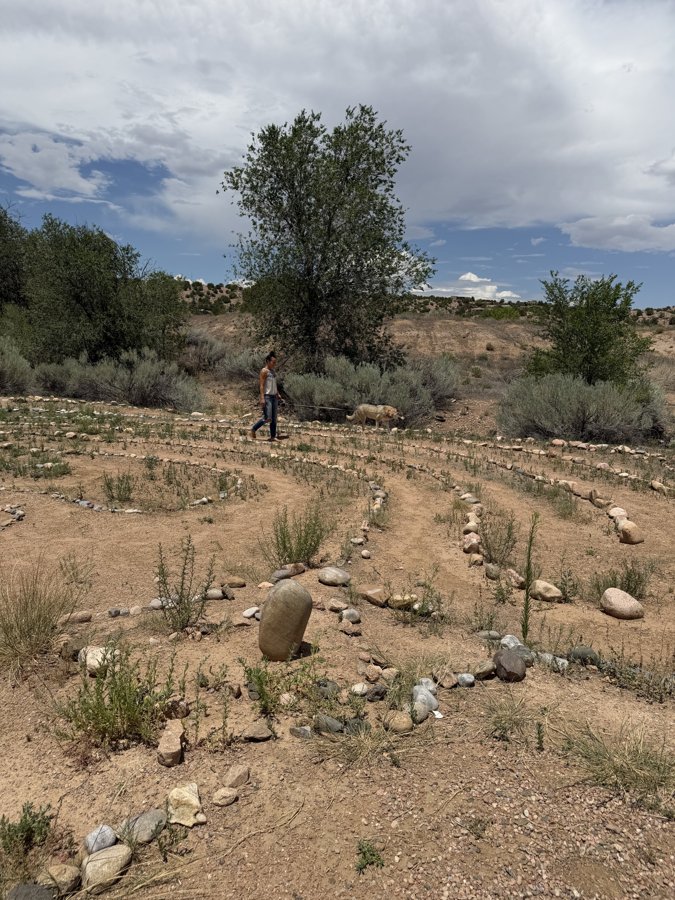
This spring, The BMJ published the largest analysis of exercise for knee arthritis ever conducted — 217 clinical trials and more than fifteen thousand participants. The most effective exercise for aching knees, after all of that science, turned out to be walking, with cycling and swimming close behind.
This surprises a lot of people. It does not surprise anyone who understands how cartilage receives its nutrition. Gentle, rhythmic loading circulates the synovial fluid that carries nutrition into the joint and carries inflammatory waste out of it — which is exactly what a good walk does, over and over, at no cost, with no equipment. The old constitutional walk has earned its reputation again.
Upcoming Classes — September at the Center
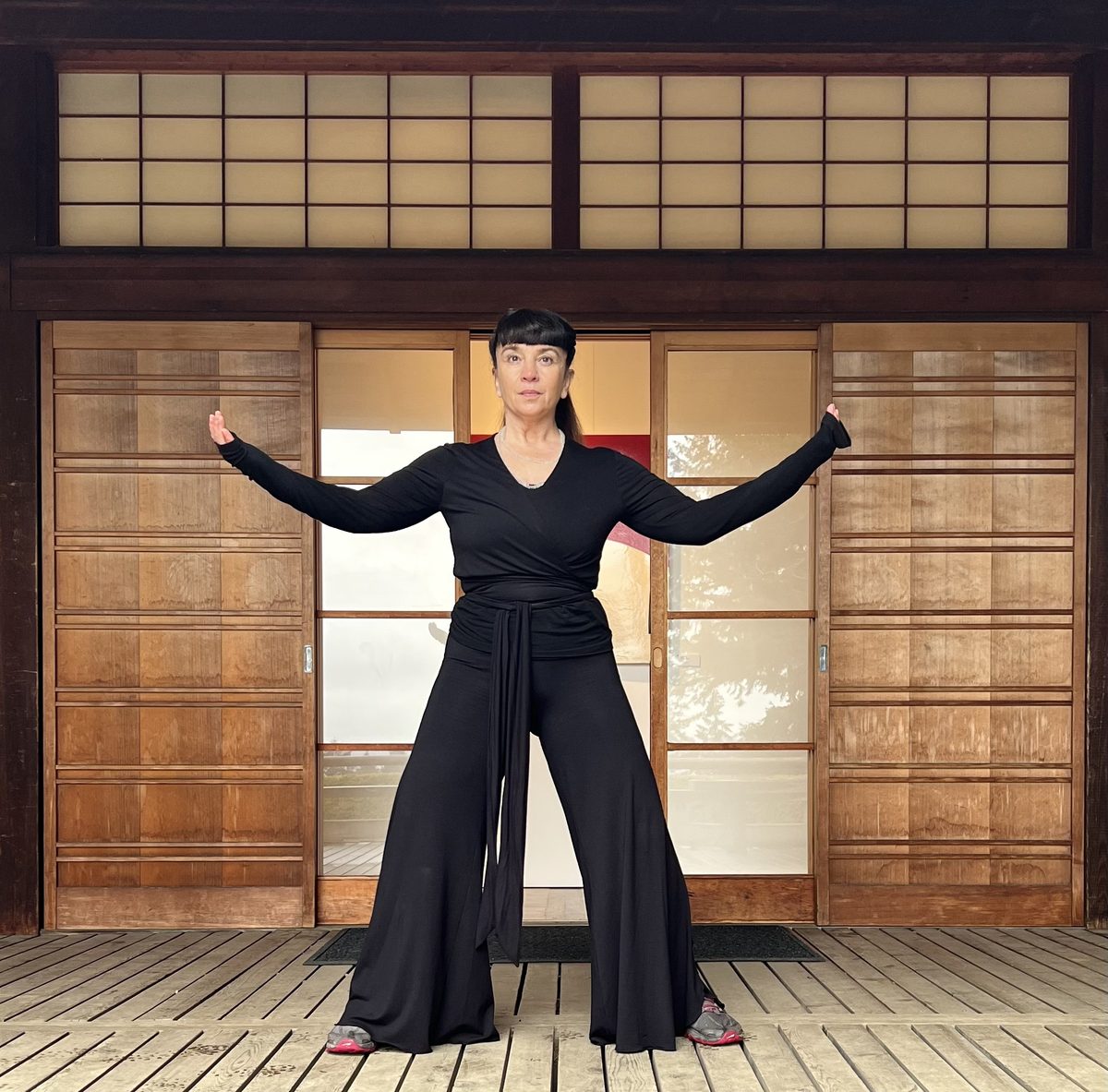
The Center now teaches in monthly rotations — each month, one special focus. September belongs to the foundation of it all:
- Medical Qi Gong for Longevity — in studio, live · Wed / Thu / Sat / Sun · 9:00–9:50 AM · Sept 9–27 · free
FOR MEMBERS ONLY
- Special-topic classes — streamed live + recorded · Thursdays · 5:30 PM — this month: Clearing the Fog (Sept 3), The Five Wards Part 1 (Sept 10), Home Remedies & Self-Care Pain Relief (Sept 17), Natural Medicine for Healthy Breasts (Sept 24)
- Gentle Strength, Balance & Mobility — NEW · virtual · members · Wed 10:00 AM · 30 minutes · starting Sept 9
- Drinks with Docs — members · the conversation series continues — announced in the Studio
(No classes Sept 28 – Oct 6.)
Upcoming Events
Medical and Longevity Qi Gong — free, and starting Saturday, September 12. We're taking the morning practice outside as well as inside: Saturdays 10:00 AM in Heritage Square, Sundays 10:00 AM in Wheeler Park. No charge, no sign-up, no special clothes — it's us (we'll be wearing the Barefoot Sage t-shirts) doing the practice, and you're welcome to step in beside us. Come once or come every week. If you've ever wondered what those slow, deliberate movements from the ancient lineages actually do, the answer is easier to feel than to explain. And check the website for our in-studio classes at 9:00 AM, most Wednesdays through Sundays.
The Heroine's Journey opens October 24. The program has a new shape: four full-day virtual workshops — Oct 24, Nov 21, Dec 12, and Jan 16 — each one complete in itself, together one complete arc. Registration is open — a single workshop day is $149, the full four-workshop Journey is $499, and the door is on the website. Longevity Studio members attend single workshop days for $99 — your code is waiting inside the Studio. And in February 2027: a five-day Retreat Immersion. More details to come.
Questions — Yours, My Patients, My Colleagues
Starting this issue, Field Notes takes questions. Hit reply and ask me anything in my territory — joints, hormones, sleep, fascia, cold plunges, brain fog, nature cure, why your feet matter more than your mattress. I'll answer a few in each letter (first names only, or anonymous on request).
Quotes of the Letter
"I'm at the age where my back goes out more than I do." — Phyllis Diller
"Those who think they have no time for bodily exercise will sooner or later have to find time for illness." — Edward Stanley, 1873
This Letter's PDF
Joints That Last — A Physician's Guide — the five factors, the joint layer by layer, the nutrient tables, the thermal toolkit, earthing and mud, and the complete Joint Care Series with the why behind each step.
The one door
The full joints class — all five layers, every tool, the handout — lands in The Longevity Studio library this week, beside every class we've recorded and the new live-streamed series. Charter membership is still $59/month, locked for life for the founders.
Come inside The Longevity Studio →
— Dr. Sara Hazel
Barefoot Sage Center · Flagstaff, Arizona